There is a comforting myth that the dealership is the “gold standard” for repair. It feels safe. The building is huge, there’s a barista in the waiting room, and everyone wears a uniform.
European cars aren’t just “cars.” They are highly integrated computer networks on wheels. A modern Mercedes-Benz has over 80 control modules communicating on a high-speed CAN-BUS network. If a technician tries to fix an electrical issue with a generic test light and a…
When you press the brake pedal, hydraulic pressure clamps the brake pads onto the spinning rotors. In a perfect world, those surfaces are perfectly flat. When they aren’t, the pads bounce over high and low spots thousands of times per minute. That bouncing travels through the…
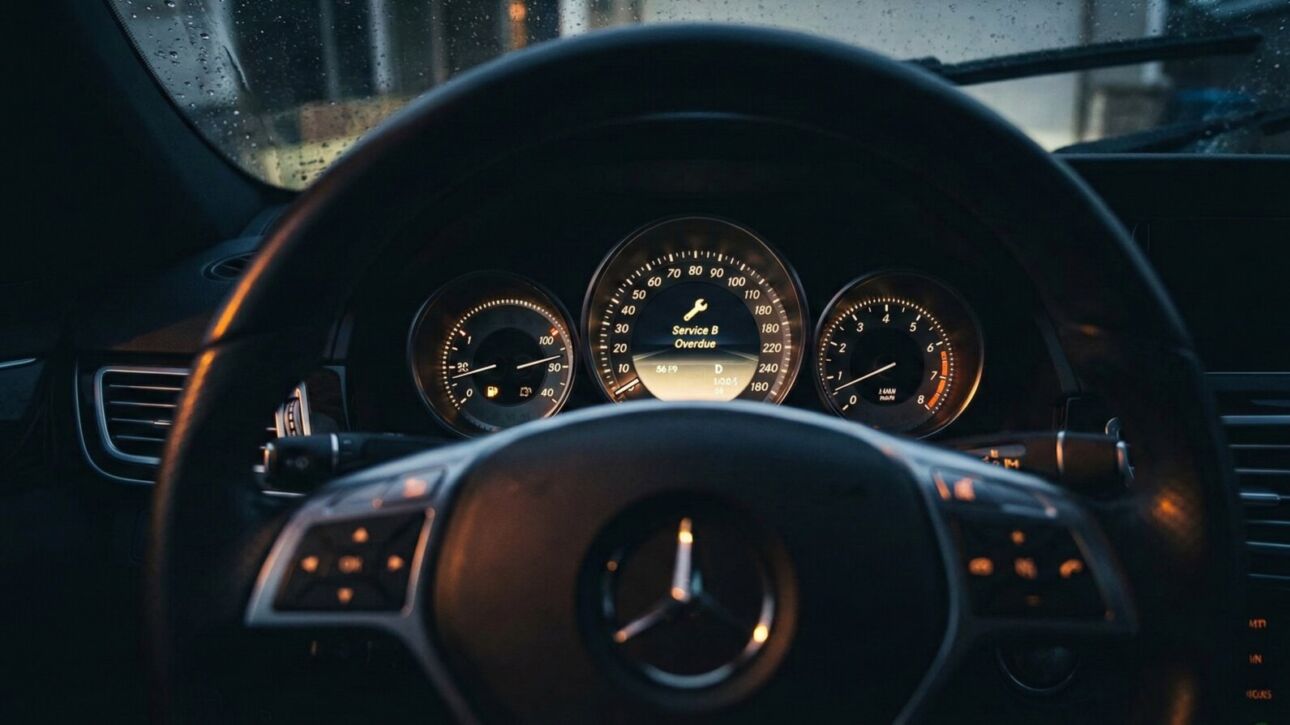
Gone are the days of a simple sticker on the windshield telling you to come back in 3,000 miles. Since 1998, Mercedes has used the Flexible Service System (ASSYST). This computer system constantly monitors your engine’s health, tracking oil temperature, RPMs, cold starts, and…
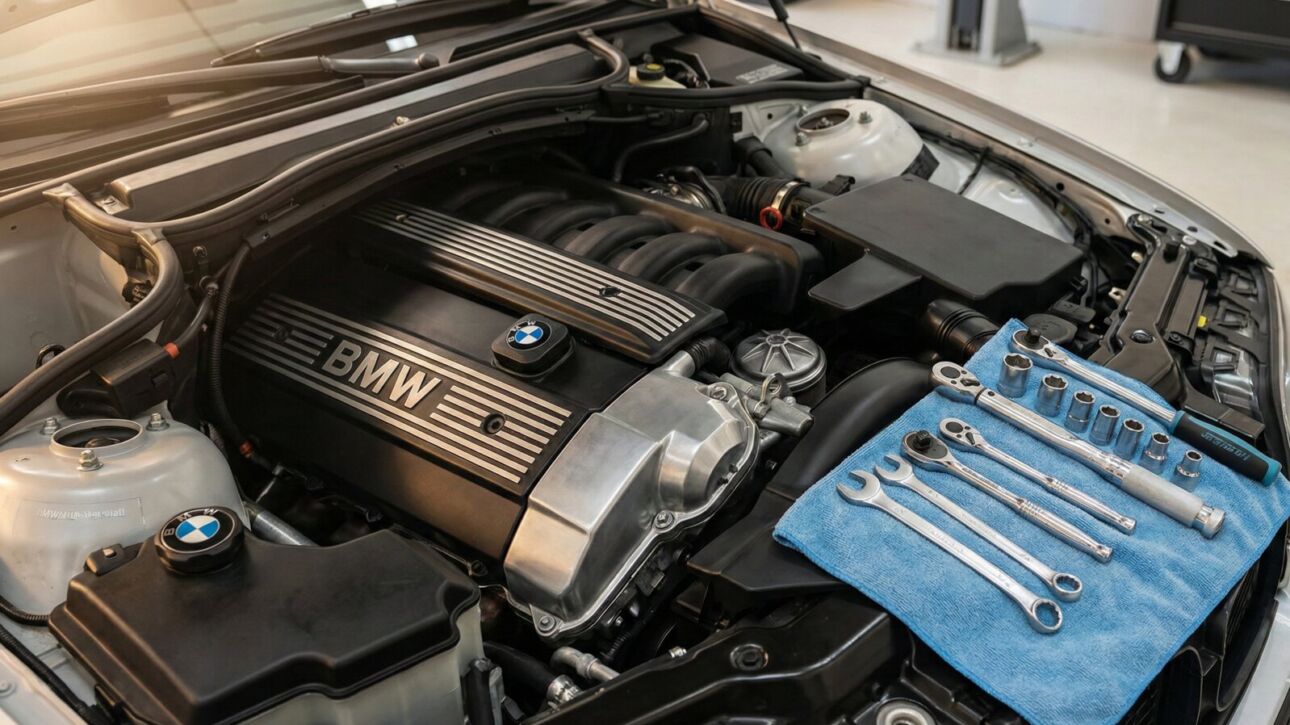
When customers ask us, “Is this car expensive to keep running?”, our answer is always: “Compared to what?” A BMW is a high-performance machine. It uses larger brakes, specialized fluids, and complex electronics to drive the way it does.
European cars are engineered differently than your typical Honda or Ford — and after 20 years of working on them, we can tell you that difference matters when it comes to maintenance. German engineering philosophy prioritizes performance and driving dynamics, which often means…